Saturday, 20 August 2016
Why is Shoreham Beach So Special?
Ed the Bear helped share raise awareness of his fascinating beach which is also a local nature reserve. I organised and ran this event as part of the 10 year celebration of the Shoreham Beach Nature Reserve.
This event took place at the Church of the Good Shepherd Hall on Shoreham Beach and on the adjacent Shoreham Beach Local Nature Reserve with help from FoSB’s Chris Bohea.
Sadly the previous spell of hot weather broke and we had heavy rain early on in the morning and then 50 mph winds blowing along the beach. This almost certainly impacted in the number of people who turned up for this event.
However we did get a few families come along to the event and a couple of individuals and despite these conditions they were very enthusiastic.
Partly for safety reasons and partly to include as much of the original planned content, I adapted the event to accommodate the bad weather but still keep as much of the original content.
Instead of one presentation and the remainder taking pace on the beach, I ran part of the Why is Shoreham Beach Special presentation (focusing on the nature reserve, vegetated shingle habitat, wildlife and how Shoreham beach was formed and shaped by the river and coastal processes – which continue today. Plus activity about plastic pollution and micro-plastics. People then eat lunch in the hall instead of on the beach.
After this we all went over to the beach for about 20 minutes (participant’s safety uppermost) and looked at the shingle plants and sea birds.
We collected pebbles and strandline objects and brought them back to the hall to consider what we could learn from observing them.
After a while I ran a seashore strandline quiz – including lots of pictures of the animals that the objects they had found actually came from such as cuttlefish and their eggs, dogfish and egg development sequence, rays, whelk eggs, etc.
The event finished with local and global links using Ed the Bear based at Shoreham Beach to consider how Shoreham beach is connected to the global ocean, how we benefit from the ocean (moderates our climate and weather, provides 50% of our oxygen etc) and how global issues (such as climate change and sea level rise might impact Shoreham beach and the nature reserve. Lots of images made the session very visual and also had an intriguing quiz element.
Despite the weather and the need to run more of the event inside – everyone seemed to have an enjoyable day. This event was funded by the Awards for All Heritage Lottery helping us to celebrate Shoreham Beach’s 10 years Anniversary as a Local Nature Reserve.
Sunday, 31 July 2016
Ed Bear at National Whale and Dolphin Watch UK
Ed the Bear helped run a sea mammal watch at Shoreham Beach Local Nature Reserve on 30th July to encourage local people to participate in National Whale and Dolphin Watch and to raise awareness of the seals and dolphins seen locally.
National Whale and Dolphin Watch is an annual event run by the Sea Watch Foundation a scientific charity dedicated to protecting UK whales and dolphins (cetaceans) since 1993. National Whale and Dolphin Watch is a citizen science based event which is now in its 15th year.
The local event was run as a joint Sea Watch Foundation and Friends of Shoreham Beach (I have been Sussex Regional Coordinator for the Sea Watch Foundation since 1993). This joint local event was funded by the Awards for All Heritage Lottery Funding
National Whale and Dolphin Watch provides a valuable annual snapshot of sea mammal activity across the 35 UK regional groups and is part of the foundations ongoing observation programme to survey and protect UK dolphins and whales which number a surprising 29 species. http://www.seawatchfoundation.org.uk/
The display stand provided information about the Sea Watch Foundation and also depicted some of the local dolphin and seal sightings including examples from this year.
There was also information about threats to sea mammals and the ocean including micro plastics and over nutrification of coastal waters caused by nitrates such as from detergents and water run-off from agricultural land.
The first person arrived just before the official start time of 10.00am and soon we had a small group of dedicated watchers. At 10.30am newly enlisted Sea Watch Volunteers Hannah and Neil arrived to help with the survey.
At about 10.50am a heavy downpour forced everyone to retreat from the beach.
Afterwards, some had gone home but 10 people returned to continue the watch. Interestingly, after the storm, the visibility increased to excellent and the wind dropped to force 2 and the sea condition to sea state 1 after the storm had passed through.
During the day more people arrived to take part with the watch, some by car, some on bicycle and some on foot.
The planned children’s activities run by Steve took place later than planned because of the weather. These included measuring out the length of blue whale (30m)
We then including some of the smaller species including bottlenose dolphin (3.5m), killer whale – orca (9m), humpback whale (15m) and sperm whale which at 20 metres is the largest toothed whale.
Objects for handling included a whale vertebrate,
sperm whale tooth
An activity also focused on threats to whales and dolphins.
We also investigated some of the strandline objects washed ashore and identified what we found - including these ray egg cases
The watch continued to 12.50pm (10 minutes short of the planned time when another heavy shower rolled in.
No sea mammals were seen during the watch, (but Steve reported to the watchers that a bottlenose dolphin was spotted at Seaford the previous day). Even so, negative data is also essential as part of the snap shot. Watchers were also encouraged to observe the sea birds which included herring and black-back gulls, terns (occasionally diving for fish), flock of turnstones feeding on the shore line and the occasional cormorant.
41 people took part in the actual watch and information was shared with passers-by.
Tuesday, 14 June 2016
Ed the Bear shares his One Ocean message at Adur World Oceans Day
Ed the Bear took part in Adur World Oceans Day again this year.
The display stand had been updated to include Ed the Bears travels since last year.
All the flags in the marquee have been put up because its the Queens Birthday.
The display included information about why the oceans are so important, such as how 50% of the oxygen we breathe comes from the ocean, 15% of the food we eat, new medicines etc.
The display also highlighted the threats to the oceans and marine wildlife and also showed people Ed the Bear had met on his travels and some of the fascinating projects he had helped with, such as recuing sea turtles and restoring a damaged coral reef.
There are also a demonstration about the dangers of Ocean Acidification.
And also an activity to learn about plastics in the ocean. The children had to get as much food (rice) without catching the plastic (red lentils). A plastic bottle filled with water and bits of plastic illustrated how plastic pollutes the entire water column.
This year we also brought a small aquarium tank with some rock pool animals.
A USB microscope cam showed the animals close up and in detail on a TV monitor.
This included shore crabs
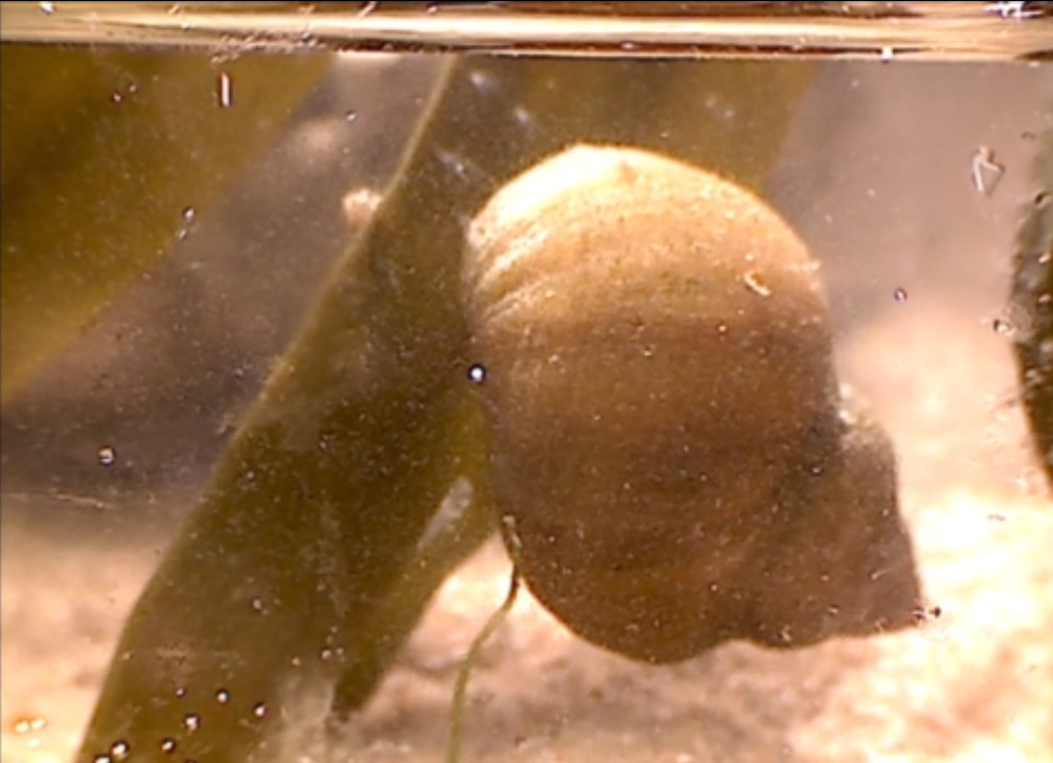
Sea anemones
A live cockle
And my favourite, barnacles.
Ed also looked around the other exhibits which included a stand by Friends of Shoreham Beach - from the beach Ed the Bear comes from.
The display had pictures of the rare vegetated shingle plants and wildlife. There was also a display about plastic pollution.
There was also a display of local marine life in aquarium display tanks.
Ed the bear came eye to eye with some live lobsters and edible crabs.
Other displays included the brackish Wide Water lagoon, a mixture of salt and freshwater
There were lots of interested visitors, many of them families with children. They were amazed at Ed the Bears travels and saddened by what humans are doing to the ocean.
It was a fantastic day
Sunday, 14 February 2016
Ed and Bella Bear at the Brighton Science Festival
Yesterday, Ed and Bella Bear took part again in the Brighton Science Festival
again this year as part of the One World One Ocean exhibit. http://www.brightonscience.com/
Ed has taken a break from his Atlantic Adventure to share his
experiences to Festival visitors and also his previous travels to Antarctica, South
Africa and of course many sites around the USA including the NOAA National marine Sanctuary
network.
During Ed the Bears Atlantic adventure he learned more about
the part that temperature plays in ocean processes. For example, where does the
wind come from that powered the sailing ship Moondancer he was travelling on
and what caused the thick sea mist be encountered of the Spanish coast.
Ed also
shared his sightings of marine life such as the common dolphins that frequently
rode the bow wave of the Moondancer.
http://moondancersailing.com/
This year the exhibit also included a demonstration of live
seashore animals using a usb microscope cam and projector. The demonstration included
sea anemones, shore crabs, barnacles and other invertebrates.
Bella Bear was also part of the display a project focused around freshwater as our most valuable resource. The exhibit included her trip last year to the Amazon Rainforest in Peru where she explored the rainforests and encountered some amazing wildlife with the help of Amazon Rainforest Workshops. http://amazonworkshops.com/
The display
also included Bella’s visit to a project bringing clean drinking water to remote
communities and explained why the rainforest periodically suffers from drought
due to climate change.
You can find see more about Bella's trip to the rainforest at http://seawatch17.wix.com/bella-world-of-water#!amazon-rainforest/c1djc
We also shared a link to project I have been involved with
this year as teacher and biologist called Railway Land Live a freshwater nature
reserve on the site of old railway sidings. A project that included four
webcam, two cameras above water and two underwater. http://www.railwaylandlive.org/
Bella Bear is also present on this nature reserve and is
taking part in a project that links the nature reserve with a site in Madagascar
– Bella will be travelling out to Madagascar in 2017.
We also shared the room with Friends of Shoreham Beach who help to protect the nature reserve where Ed the Bear is based. I also run the education programme for the nature reserve.
As usual they had a fabulous display about the rare vegetated shingle habitat and the wildlife it supports as well as highlighting the dangers to marine life
As usual it was a great day with lots of interest and enthusiasm
from visitors of all ages.
You can find out more about Ed the Bear at http://seawatch17.wix.com/one-world-one-ocean
Tuesday, 22 December 2015
Racing ahead thanks to acceleration zone
Hi all
If you have ever played a game of snakes and ladder, you know that if you land on snake, you have to slide back down the board. That's what its like when you are heading into a storm.
But sometimes you land on a ladder and shot up the board. That's what its like when you encounter an acceleration zone. This is where the northerly winds are squeezed into the limited space between the high islands increasing the speed of the wind.
We encountered such a zone between the Canary Island of La Palma and La Gomera. We rode a good strong wind in the acceleration zones around the islands, up to 38 knots and Ed the human said we reached our new top speed of 9.1 Knots.
Wow an amazing ride, but a bit scary too. I found a safe place to sit where I could hold on and made sure my life jacket was tied tight.
Labels:
acceleration zone,
Canary Islands,
Ed the Bear,
Moondancer,
Moving Sound,
Sailing
Subscribe to:
Posts (Atom)