Showing posts with label plastic pollution. Show all posts

Thursday, 28 June 2018

Big Bang Stem Science Event at Ardingly Show grounds

We are back again for our 6th year to share ocean science at this amazing event. This event has grown rapidly over the last few years from 2000 attending teachers and children to now almost 10,000.


We exhibited our updated stand for 2018 this year including more updates about the offshore wind farm and the river flood defence at Shoreham on the River Adur.


Back in 2009 when Ed the Bear first started visiting scientists around the world - sea level rise and the treat to the rare habitat at Shoreham Beach Nature Reserve were high priority.
Since then it has come full circle and a flood defence wall is now necessary to prevent flooding.


We also included other main topics; plastic pollution was a major feature with two activities illustrating this. We also exhibited examples of plastic around the world from Ed the Bears on-going adventure. We also focused on climate change and also ocean acidification.
To bring the marine world alive we exhibited our popular tide pool display where live rock pool invertebrates were shown on a tv screen through a live link with tank cam


We also chatted to many interested children who also shared their views about ocean conservation issues and also discussed possible ocean science careers.


It was a fantastic event as even with lots of positive questions and feedback from very excited children.

Friday, 5 January 2018

Wisdom the oldest known bird returns to nest.

Hi all


I have just heard some amazing news. Wisdom, the Laysan Albatross, has returned to her Hawaiian nesting grounds.
Wisdom has returned to Midway Atoll in Papahānaumokuākea with her mate Akeakamai for the winter breeding season.  U.S. Fish and Wildlife Service staff have confirmed that they have nested and currently incubating an egg.
 
Wisdom was first ringed with a numbered leg band in 1956, Wisdom has successfully raised and fledged over 35 and travelled millions of miles in her lifetime.
You may remember I travelled to Papahānaumokuākea back in 2010 to see Wisdom and many other nesting albatross.
You may remember I also wear a special necklace, gifted to me by Ron Hirshi and Fred which is made from a albatross numbered leg band. I wear this in remembrance of all the Laysan Albatross chicks they did not get to grow up and died from swallowing plastic. The numbered leg band I wear came from such a chick that died from swallowing plastic.
So I look forward each year to hearing that Wisdom has returned.


Thursday, 22 June 2017

Plastic is here to Stay Workshops at EYE


Today we took a little bit of Shoreham Beach to Davison CE High Schools for Girls for the E.Y.E summit. E.Y.E Stands for Eco Young and Engaged – The E.Y.E. Project was established in 2008 by Tim Loughton, M.P. for East Worthing and Adur.

The Project aims to raise sustainability awareness and encourage young people’s interest in the environment. It provides an additional opportunity for the young people within those schools to learn about environmental matters through fun and educational activities available at our Eco-Summit events across West Sussex.


I took along my display stand that looks at Shoreham as part of the global ocean and focused on the benefits we get from the ocean such as 50% of the oxygen we breathe. The display also explained why Shoreham Beach is special.

Bella was also there too with her message about water and her travels to the Amazon and Madagascar.


The theme of the event this year was sustainability and so we ran three workshops exploring plastic and considering if as invaluable to modern society or if it is an environmental scourge.


I started the workshop with the children suggesting things that were made of plastic and if this was a good or bad use of plastic and why.


To help understand how we have reached our current use of plastic, we explored how and why plastic was originally invented and how it was inspired by the amazing abilities and limitations of rubber. We looked at early plastics – such as celluloid – without which we would not have had a film industry at that time, which linked to the early film making at Shoreham.
We looked at Bakerlite which paved the way for modern plastics


I encouraged children to think of ways that the invention of plastic may have helped the environment – for example it greatly reduced our reliance on wood and reduced cutting down of woodland and rainforest).


We then discussed environmental problems from plastic, looking at terrestrial examples as well as marine. The children then took part in the Albatross game – which explores how albatross adults in Hawaiian Islands collect food (and accidentally plastic and other man-made items) which they feed to their chick. Explore plastic pollution threat to wildlife and the environment.


As albatross parents they will collect food for their chick. This will involve one child at a time picking up a card (face down) to reveal a plastic item or food item to feed their chick. Each child (albatross) will collect several cards and then we discussed the fate of their albatross chick.

Some collected just food items, some collected food items and small pieces of plastic some, a few collected food but also large items such as a tooth brush or disposable lighter. Will their chick survive? I then gave the children one last piece of information, just before it fledges the albatross chick will regurgitate a bolus of undigested food items such as squid beaks, fish scales etc and the bolus may include small bits of plastic, bottle tops etc.
The children then reconsidered the fate of their chick based on this.


We then looked at micro plastics with the help of a micros plastic activity and then discussed sources such as photo-degraded plastic, micro-beads and nylon threads from our clothes.
Consider if modern society can exist without plastic and discuss ideas of how society/we can help reduce the plastic debris problem.


We finished by looking at possible replacements for plastic such as bio-plastics made from natural materials – this included a possible new plastic made from the shells of shrimps and prawns that are currently discarded each year as part of seafood processing.
We then discussed ways that we can help with the current problem by choosing carefully what we buy, by reusing and recycling.
It was a great day and the children were very excited and keen to apply what they had learned to their own school or at home.

It was an amazing day.

You can find out more at http://www.eyeproject.co.uk/news

Tuesday, 14 July 2015

Ed the Bear at the EYE Eco Summit


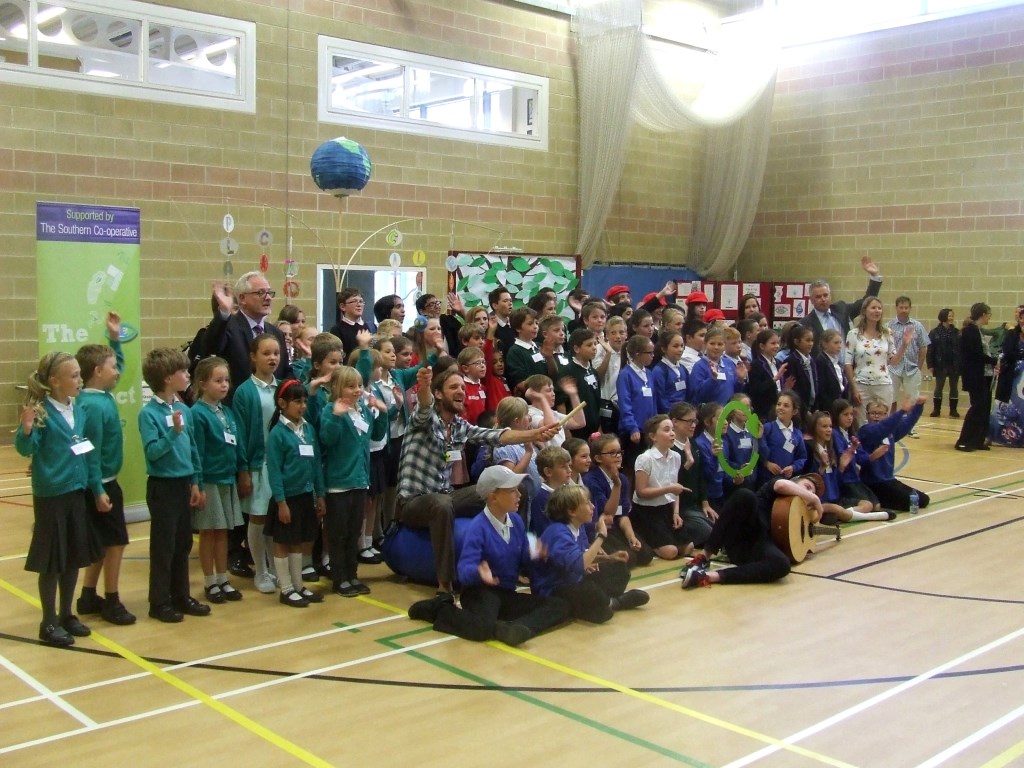
We participated again this year in the E.Y.E Project (Eco Young and Engaged) Eco Summit which this year was hosted by Shoreham Academy.  

The E.Y.E. Project brings local schools together to focus on the importance of caring for our planet and to provide an additional opportunity for the young people within those schools to learn about environmental matters through fun and educational activities available at Eco-Summit events. 


The EYE project is made up of local schools from Shoreham, Lancing and Worthing.

I have enjoyed participating in the eco-summit on numerous occasions and this year I was asked to be the Key Note speaker

I started the keynote by talking about Shoreham Beach Local Nature Reserve, why it’s important and the role of the management group and the Friends of Shoreham Beach in caring for the reserve and engaging the public. 

I also discussed the education opportunities that we offer from rare vegetated shingle, to tide pooling, coastal geography, global dimension and much more.


I then spoke about the adventures of Ed the Bear and how Ed the Bear’s travels have created links with scientists around the world and to share their knowledge about the oceans.


This includes the possible impact of climate change on Shoreham Beach as well as other issues.

I also ran three workshops during the day based around Ed the Bears travels to scientists around the world to learn about ocean science and conservation. 

The first two focused on topics touched on in the keynote such as how oceans moderate our climate and weather; provide 50% of our oxygen, freshwater, food, new medicines and more. This included a fun quiz to explore the many thinks that oceans and rainforest provide and how we rely on both of these biomes every day.. 

This was followed by an activity where the children took on the role of albatross to explore the dangers of plastic pollution to marine life. 

The third workshop was for secondary school pupils and explored the same issues but in a more scientific context.

We also took a display stand which I manned during lunch and breaks and gave out the LNR leaflets and educational flyer. The day was a great success.

Sunday, 14 June 2015

Adur World Oceans Day 2015

Hi all

We are here again at Adur World Oceans Day. I have updated my exhibit to include my new adventures since last year. In particular my trip to USA last year where I worked with Youth Dive with Purpose who weer helping to restore a coral reef and survey a ship wreck (link).

This year, the theme for World Oceans Day is plastic pollution in the oceans. So we included lots of examples from my travels that illustrate this problem.

I wore my special necklace I was given by Ron Hirshi and Fred the happy face monkey while I was in the Hawaiian Islands a few years ago. The necklace is made from a scientists ring that was placed on a Laysan Albatross chick so the scientists could study the birds life as it grows into an adult. Sadly the chick (along with many others) died from swallowing plastic. So I wear my necklace to help me share what I discovered about the dangers these albatross face.

I also had my display of plastic which was removed from an entangled Cape Fur Seal in South Africa. They were the lucky ones because human divers weer able to remove the plastic packaging bands.

A new part of my display this year explained about micro beads - which are actually tiny pieces of plastic. Some body scrubs and toothpaste actually use micro beads in their scourers!

People are really surprised when they discover this and a bit shocked that they hay have been scrubbing their face with tiny bits of plastic. When people wash of the body scrub the tiny bits of plastic go down the sink and into the drain and eventually into rivers and are washed out to sea. To fish and other small creatures the the tiny bits of plastic look like food.

We also had a game for children which was a bowl of uncooked rice and lentils. The rice represents food, the lentils pieces of plastic.
With a teaspoon, the children have to remove as much rice (food) as possible and as few red lentils (plastic). The aim is to show how difficult it is for marine animals to catch food without swallowing plastic debris. The children only have a minute to complete the task.
If they go really slow and only pick up a few pieces of rice/food (and no plastic) then they will not have collected enough food to keep them alive. If they go quicker, they collect lots of bits of plastic.  Its then interesting to get the children’s view on the activity and then it’s all related to other images and information on the display.

There were loads of interested visitors to the event, in fact we hardly had time to even stop for a snack. 
Lots of children played the plastic food game and we were pleased to see some adults having a go. It was good to see that many other people are concerned about the damage being done to the ocean.
We also had our usual ocean acidification demonstration explaining how an increase in man-made carbon dioxide the air is leading to an increase in the ocean. This increase is causing the pH of seawater to change threatening many animals that have a calcium shell from crabs and sea urchins to corals.

We also had a display explaining how climate change might affect local fish. It focused on fish and chip shops and a display about how cod may soon be out of the reach of our fisherman as our water warms and the cod move with the colder waters.
I included an alternative visual fish and chip shop menu of (warm water) fish we may be eating instead (such as gurnard, hake, sardines and john dory) that are becoming more common.

There were also many other exhibits too.

Friends of Shoreham Beach  had their usual fascinating display about Shoreham Beach Nature Reserve and the rare vegetated shingle habitat.


British Marine Life  Study Society had a display of fish tanks with interesting local marine life.
They weer enjoyed by children young and old.

They contained delicate common prawn.

Shore crab
Common blenny fish and much more.

There was also a very popular display of live lobsters and edible crabs.

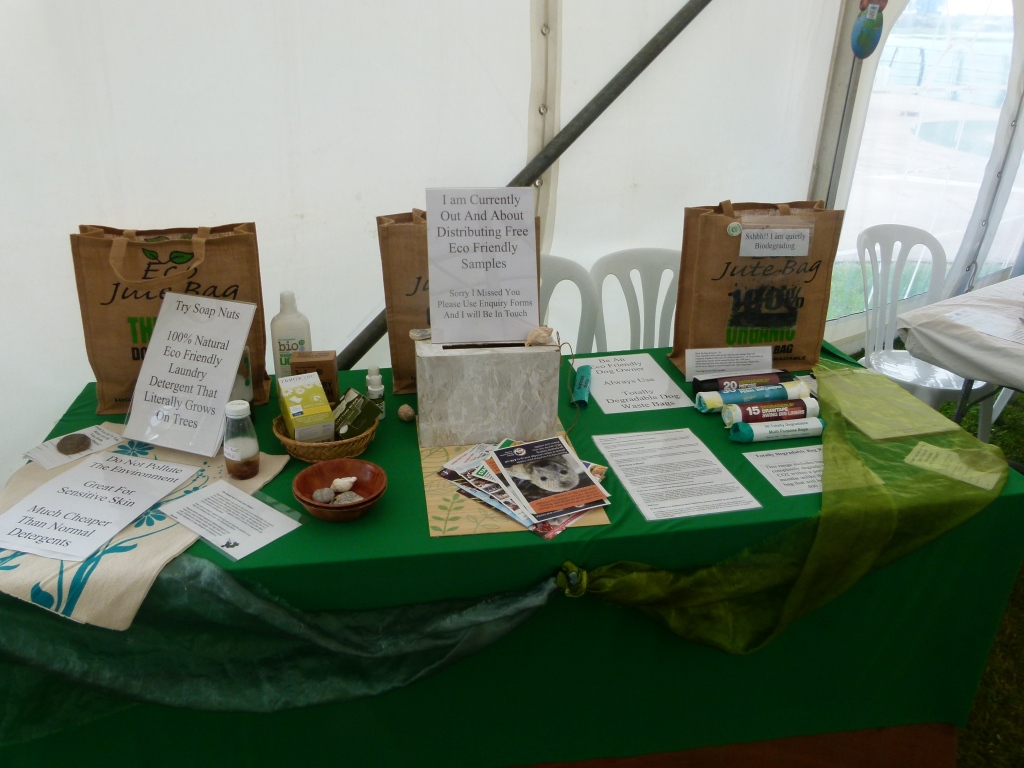
Next to my display was an exhibit showing environmentally friendly alternatives to cosnmetics and cleaning produces, to replace those that might pollute the sea. 
So I lent them my micro-beads information.

We also brought Bella's display about her trip to the Amazon Rainforest with a organization called Amazon Rainforest Workshops. Last year the workshop programme took Bella with them to the Amazon to explore and learn about the damaging forest and its wildlife.
She also meet some of the people who live in the rainforest and how they get everything they need from the forest but do so without damaging the forest.

We can all learn a lot from this. Bella also learned that many of these people do not have clean drinking water and saw a special programme was bringing clean drinking water to these communities using special water filters.

We had an amazing day sharing my and Bellas adventures with the visitors. Great day.
Bye for now
Ed Bear and Bella