We participated again this year in the E.Y.E Project (Eco Young and Engaged) Eco Summit which this year was hosted by Shoreham Academy.

The E.Y.E. Project brings local schools together to focus on the importance of caring for our planet and to provide an additional opportunity for the young people within those schools to learn about environmental matters through fun and educational activities available at Eco-Summit events.
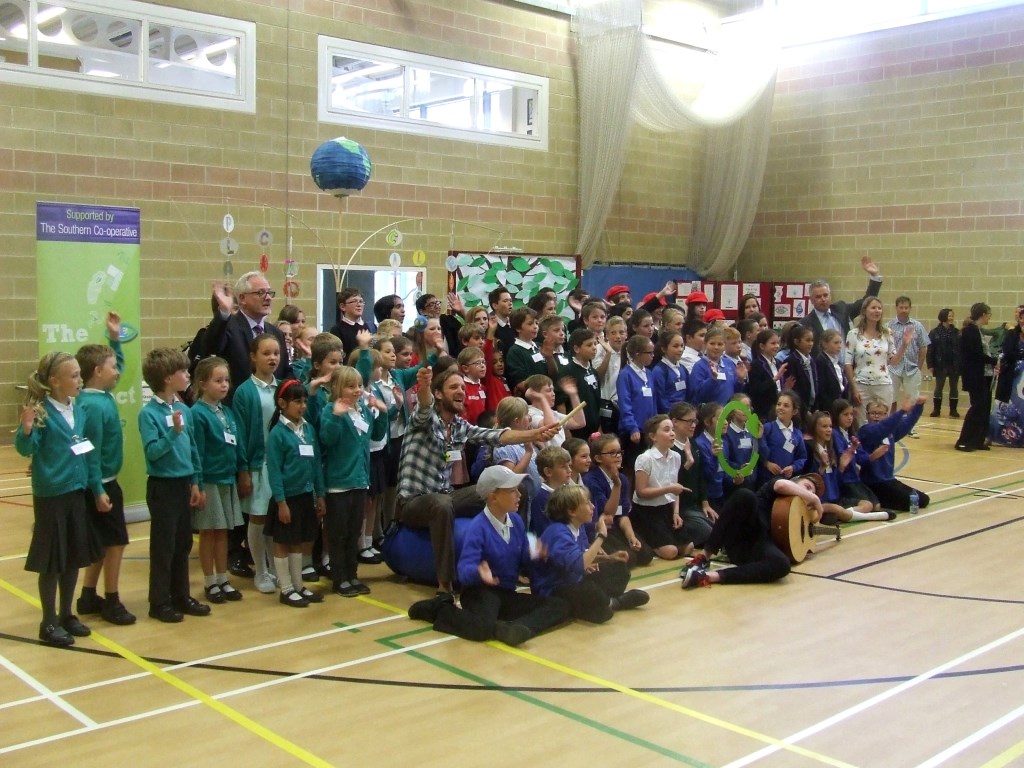
The EYE project is made up of local schools from Shoreham, Lancing and Worthing.
I have enjoyed participating in the eco-summit on numerous occasions and this year I was asked to be the Key Note speaker.

I started the keynote by talking about Shoreham Beach Local Nature Reserve, why it’s important and the role of the management group and the Friends of Shoreham Beach in caring for the reserve and engaging the public.
I also discussed the education opportunities that we offer from rare vegetated shingle, to tide pooling, coastal geography, global dimension and much more.

I then spoke about the adventures of Ed the Bear and how Ed the Bear’s travels have created links with scientists around the world and to share their knowledge about the oceans.
This includes the possible impact of climate change on Shoreham Beach as well as other issues.
I also ran three workshops during the day based around Ed the Bears travels to scientists around the world to learn about ocean science and conservation.

The first two focused on topics touched on in the keynote such as how oceans moderate our climate and weather; provide 50% of our oxygen, freshwater, food, new medicines and more. This included a fun quiz to explore the many thinks that oceans and rainforest provide and how we rely on both of these biomes every day..

This was followed by an activity where the children took on the role of albatross to explore the dangers of plastic pollution to marine life.
The third workshop was for secondary school pupils and explored the same issues but in a more scientific context.

We also took a display stand which I manned during lunch and breaks and gave out the LNR leaflets and educational flyer. The day was a great success.


 We even had a visit from a sociable dolphin called George (above) who spends most of the year off the coast of France. Unfortunately George loves boats and has recieved several injuries from boat propellors because of this.
 This is one of the seals fitted with a tag, it does look rather funny. Its like having a mobile phone on your head. Everytime the seal comes to the surface of the sea it sends a message (automatically) to a computer which records where the seal is. The tag also records and transmits information about how long and how deep the seal dives underwater and where it rests out of the water. Very clever technology.


 You can find out more about these sea mammals, including the seal tagging project, on the following weblink


