Showing posts with label climate change. Show all posts

Wednesday, 13 June 2018

World Ocean Day Message 3

Back in September 2009 I started my global travel to find out more about how Shoreham Beach Local Nature Reserve was connected to the global ocean.

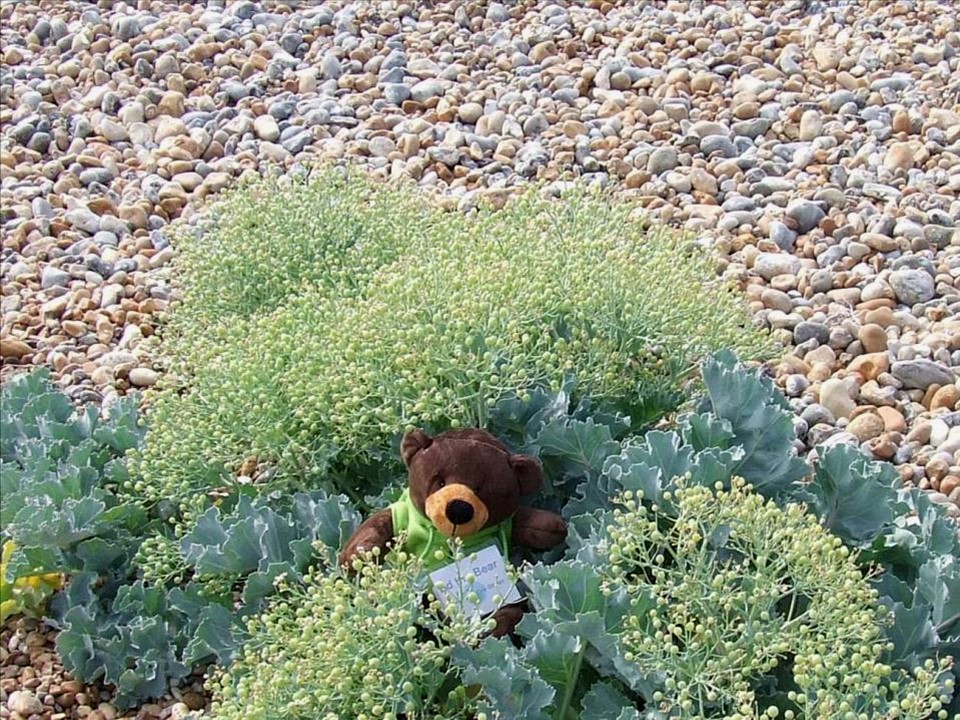
As you know Shoreham Beach has a rare habitat called vegetated shingle, which grown just above the high tide line.
We were concerned about how global threats such as climate change and global warming might damage the shingle beach.

To understand how this might happen we decided we needed to understand more about the global ocean and that's were my journey began.

I visited many scientists and experts to learn about the ocean, including NOAA who built me my amazing underwater dive bubble.
 
 
I learned how Shoreham Beach was threatened by sea level rise which could flood the rare plant habitat or create bigger storms that could wash the beach away.

I also discovered that sea level can cause flooding from rivers too.
The environment agency are currently building a new flood defence wall along the river which should protect the town, the airport and surrounding land for the next 100 years.

I have also encountered amazing wildlife on my travels to, from penguins in Antarctica to coral reefs of Florida and great white sharks off the coast of South Africa

Follow my amazing adventures on this blog. You can also find out more about the One Ocean Project and how we can help the ocean at  http://seawatch17.wixsite.com/one-world-one-ocean

Wednesday, 16 August 2017

Rampion Windfarm

The Rampion Windfarm off the coast of the Shoreham Beach Local Nature Reserve is now well underway.


The wind farm is between 8 and 16 miles from the shore.

There will be 116 turbines when its finished each standing 142 metres tall. The wind farm will generate enough power for 290,000 homes and replace 600,000 tons of carbon dioxide. Wind turbines harness the (free) and like early sailors wind farms use the naturally occurring winds that blow across the ocean.

The windfarm will be completed by the end of 2018. Renewable energy sources like this are so important to help reduce man-made climate change and great to see this happening on our own doorstep.

Sunday, 26 March 2017

Ed the Bear supports Earth Hour

We have supported Earth Hour again this year and encouraged people to do the same. Earth Hour is a great way to raise awareness and focus on energy use and the threat of climate change.
During the hour we turned off all lights and enjoyed the glow of numerous candles as well as turning off all other non-essential electrical appliances such as computers and TV. 


For three years now, Ed the Bears UK base has used solar panels to provide much of the electricity to run the administration of the project in the UK - including the charging of mobile devices such laptops and cameras. 


Each year millions of people, businesses, and landmarks set aside an hour to host events, switch off their lights, and generally make noise to shine a light on the need for climate action.


You can find out more about Earth Hour at https://www.earthhour.org/what-is-earth-hour

Monday, 26 September 2016

Ed the Bear and One Ocean Project take apart in EYE Eco Summit

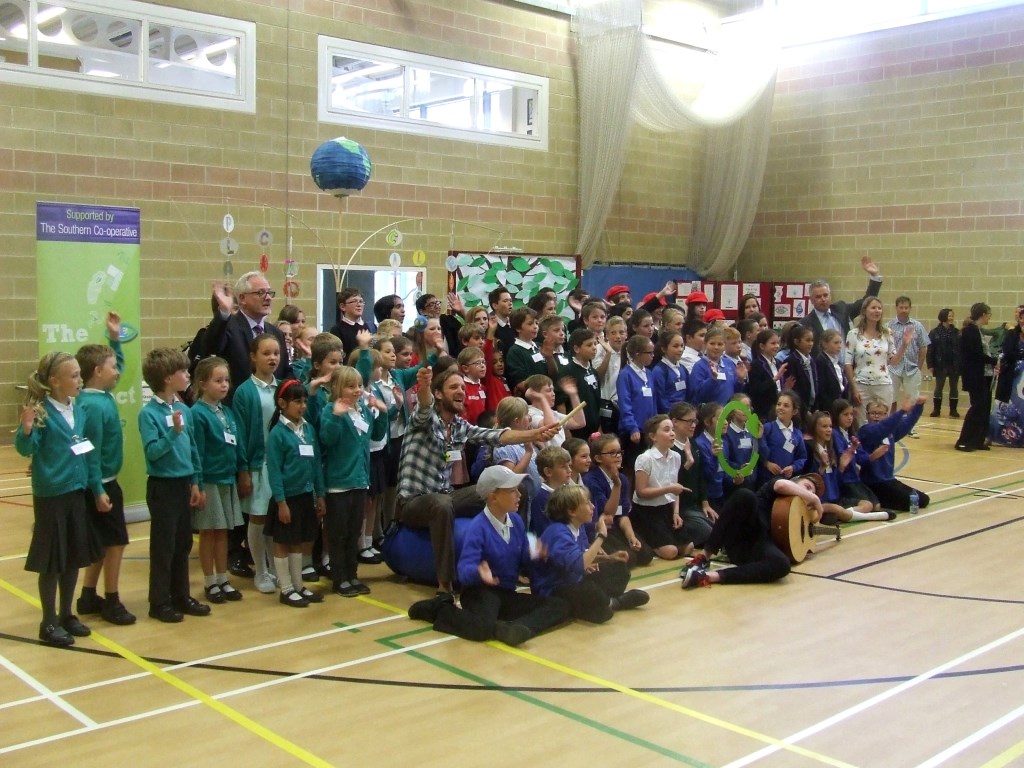
Great to be taking part again in the EYE Eco Summit (EYE = Eco Young Engaged). http://www.eyeproject.co.uk/about-us Following the 9th annual Worthing & Adur Eco Summit this is the first event for schools in the west of the county which was held at the Weald and Downland Open Air Museum.


During the day, participating schools took part in a variety of workshops including Living Wage Game, Importance of pollinators, energy misuse and saving energy, importance of water conservation and others. the participating schools could chose 3 workshops to take part in - including our workshop One Ocean - focusing on the benefits we get from the ocean and ways that we are impacting our climate.


Using a presentation of Ed the Bear and the One Ocean Project I introduced the pupils to the concepts around benefits we receive from the ocean using examples from Ed the Bears travels. Then used examples from Ed's travels to consider ways we impact our climate - this included a Q&A.

We then used this as a start point for the pupils to create an infographic, group 1 focused on the benefits and group 2 ways that we impact our climate
 
Infographic 1

Pupils considered how we benefit from the ocean. In a nut shell we discussed benefits such as how the ocean creates and moderate our climate and weather.
From Workshop 1
How plant plankton produce 50% of the oxygen we breathe and in turn remove a million tons of carbon dioxide a day from the atmosphere. How the ocean provides freshwater via the water cycle – creating and replenishing freshwater habitats, providing water for us to drink, to grow crops etc.
                            From workshop 2
We looked at how 50% of the food we eat (globally) comes from the ocean and how the ocean allows us to transport 90% of our goods around the globe. The oceans are a great provider of wellbeing and fun activities. They are also a great potential source of renewable energy.
                            From workshop 3
We also considered what creates wind and waves.

Infographic 2
Because it would be too big a topic to look at all the ways we impact the ocean, we focused on how humans impact our climate.

Pupils started from the point that out main impact was from burning fossil fuels causing climate change. From there the pupil’s problem solved (with a bit of help and guidance) what impact this might have.
                                         From workshop 1
This included sea level rise from melting ice caps (and I added to this thermal expansion the cause of 50% sea level rise so far, when water warms it expands). They considered how man made climate change would cause some places to have droughts while other places will flood. How increase in tropical storms will impact our weather in the UK – rain is good but too much rain means we get all the negative aspects (affecting us, crops, freshwater habitats) but few of the benefits.
                                           From Workshop 2
We looked at how sea level rise could cause other problems - such as increased coastal erosion. 40% of the global population live close to the coast. The pupils looked at how a rise in sea temperature is damaging habitats such as coral reefs, disrupting food webs by creating changes in the distribution of some animals.
                                            From Workshop 3
People cause climate change but they can also be part of the solution.

We finished the workshop where we started – what does the ocean have to do with sustainable schools, by the pupils identifying which elements of each infographic  was relevant to sustainable schools and which aspects could sustainable schools have a positive effect.
To help cement the idea that the problems we cause through man made climate change are caused by impacting on the natural processes that provide the benefits we get from the ocean – each group shared their infographic with each other.
During the lunch break teachers and pupils visited our stands.
At the end of the day a presentation shared some of the good practices and projects that the various schools had instigated in their own grounds. There were also certificate for best reuse of items. The day finished with each workshop sharing in a 2 minute the results of their workshops.
It was a great day and amazing buzz from the children. The children in my workshops did a great job of problem solving these issues.


Tuesday, 14 July 2015

Ed the Bear at the EYE Eco Summit


We participated again this year in the E.Y.E Project (Eco Young and Engaged) Eco Summit which this year was hosted by Shoreham Academy.  

The E.Y.E. Project brings local schools together to focus on the importance of caring for our planet and to provide an additional opportunity for the young people within those schools to learn about environmental matters through fun and educational activities available at Eco-Summit events. 


The EYE project is made up of local schools from Shoreham, Lancing and Worthing.

I have enjoyed participating in the eco-summit on numerous occasions and this year I was asked to be the Key Note speaker

I started the keynote by talking about Shoreham Beach Local Nature Reserve, why it’s important and the role of the management group and the Friends of Shoreham Beach in caring for the reserve and engaging the public. 

I also discussed the education opportunities that we offer from rare vegetated shingle, to tide pooling, coastal geography, global dimension and much more.


I then spoke about the adventures of Ed the Bear and how Ed the Bear’s travels have created links with scientists around the world and to share their knowledge about the oceans.


This includes the possible impact of climate change on Shoreham Beach as well as other issues.

I also ran three workshops during the day based around Ed the Bears travels to scientists around the world to learn about ocean science and conservation. 

The first two focused on topics touched on in the keynote such as how oceans moderate our climate and weather; provide 50% of our oxygen, freshwater, food, new medicines and more. This included a fun quiz to explore the many thinks that oceans and rainforest provide and how we rely on both of these biomes every day.. 

This was followed by an activity where the children took on the role of albatross to explore the dangers of plastic pollution to marine life. 

The third workshop was for secondary school pupils and explored the same issues but in a more scientific context.

We also took a display stand which I manned during lunch and breaks and gave out the LNR leaflets and educational flyer. The day was a great success.

Sunday, 14 June 2015

Adur World Oceans Day 2015

Hi all

We are here again at Adur World Oceans Day. I have updated my exhibit to include my new adventures since last year. In particular my trip to USA last year where I worked with Youth Dive with Purpose who weer helping to restore a coral reef and survey a ship wreck (link).

This year, the theme for World Oceans Day is plastic pollution in the oceans. So we included lots of examples from my travels that illustrate this problem.

I wore my special necklace I was given by Ron Hirshi and Fred the happy face monkey while I was in the Hawaiian Islands a few years ago. The necklace is made from a scientists ring that was placed on a Laysan Albatross chick so the scientists could study the birds life as it grows into an adult. Sadly the chick (along with many others) died from swallowing plastic. So I wear my necklace to help me share what I discovered about the dangers these albatross face.

I also had my display of plastic which was removed from an entangled Cape Fur Seal in South Africa. They were the lucky ones because human divers weer able to remove the plastic packaging bands.

A new part of my display this year explained about micro beads - which are actually tiny pieces of plastic. Some body scrubs and toothpaste actually use micro beads in their scourers!

People are really surprised when they discover this and a bit shocked that they hay have been scrubbing their face with tiny bits of plastic. When people wash of the body scrub the tiny bits of plastic go down the sink and into the drain and eventually into rivers and are washed out to sea. To fish and other small creatures the the tiny bits of plastic look like food.

We also had a game for children which was a bowl of uncooked rice and lentils. The rice represents food, the lentils pieces of plastic.
With a teaspoon, the children have to remove as much rice (food) as possible and as few red lentils (plastic). The aim is to show how difficult it is for marine animals to catch food without swallowing plastic debris. The children only have a minute to complete the task.
If they go really slow and only pick up a few pieces of rice/food (and no plastic) then they will not have collected enough food to keep them alive. If they go quicker, they collect lots of bits of plastic.  Its then interesting to get the children’s view on the activity and then it’s all related to other images and information on the display.

There were loads of interested visitors to the event, in fact we hardly had time to even stop for a snack. 
Lots of children played the plastic food game and we were pleased to see some adults having a go. It was good to see that many other people are concerned about the damage being done to the ocean.
We also had our usual ocean acidification demonstration explaining how an increase in man-made carbon dioxide the air is leading to an increase in the ocean. This increase is causing the pH of seawater to change threatening many animals that have a calcium shell from crabs and sea urchins to corals.

We also had a display explaining how climate change might affect local fish. It focused on fish and chip shops and a display about how cod may soon be out of the reach of our fisherman as our water warms and the cod move with the colder waters.
I included an alternative visual fish and chip shop menu of (warm water) fish we may be eating instead (such as gurnard, hake, sardines and john dory) that are becoming more common.

There were also many other exhibits too.

Friends of Shoreham Beach  had their usual fascinating display about Shoreham Beach Nature Reserve and the rare vegetated shingle habitat.


British Marine Life  Study Society had a display of fish tanks with interesting local marine life.
They weer enjoyed by children young and old.

They contained delicate common prawn.

Shore crab
Common blenny fish and much more.

There was also a very popular display of live lobsters and edible crabs.

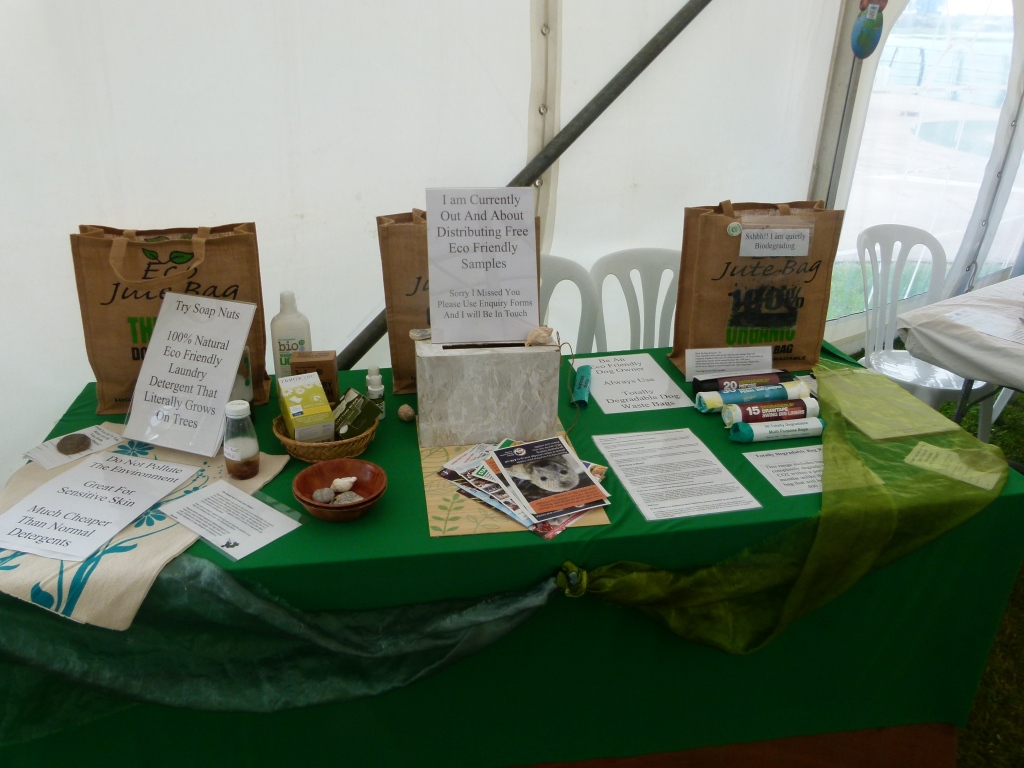
Next to my display was an exhibit showing environmentally friendly alternatives to cosnmetics and cleaning produces, to replace those that might pollute the sea. 
So I lent them my micro-beads information.

We also brought Bella's display about her trip to the Amazon Rainforest with a organization called Amazon Rainforest Workshops. Last year the workshop programme took Bella with them to the Amazon to explore and learn about the damaging forest and its wildlife.
She also meet some of the people who live in the rainforest and how they get everything they need from the forest but do so without damaging the forest.

We can all learn a lot from this. Bella also learned that many of these people do not have clean drinking water and saw a special programme was bringing clean drinking water to these communities using special water filters.

We had an amazing day sharing my and Bellas adventures with the visitors. Great day.
Bye for now
Ed Bear and Bella